


Our mission is to promote peaceful transition to a Cuba that respects human rights and political and economic freedoms.
Experts from the Center for a Free Cuba

Chairman: Mr. Guillermo G. Marmol

Vice Chairwoman: Ms. Mary Curtis Horowitz

President: Mr. Manuel E. Iglesias, Esq.

Executive Director: Mr. John Suarez

Prof. Graciella Cruz-Taura

Prof. Carlos Eire

Prof. Jaime Suchlicki
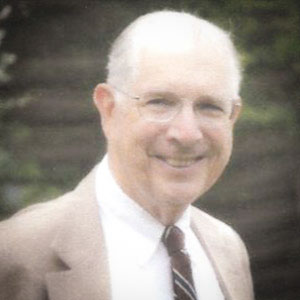
Ambassador Everett E. Briggs

Dr. Jorge Sanguinetty

Dr. Eduardo Zayas-Bazán

Mr. Sebastian Arcos Cazabon

Erik Bethel

Ambassador Otto J. Reich

Ms. Ileana Fuentes
Support human rights in cuba:
donate & make a difference
Support us in defending the island’s residents and exposing rights violations.
Friends of the Center – Experts in Cuba

The Hon. Elliott Abrams

Prof. Enrico Mario Santí

Ms. Rosa María Payá Acevedo

Ms. Carolina Barrero

Ms. Sylvia G. Iriondo
In Memoriam

Manuel Jorge Cutillas
3/1/1932 – 11/4/2013
A fervent defender of freedom in Cuba, Manuel Jorge Cutillas became president of the Center for a Free Cuba in 1997 and held the position for 16 years, until his death. He was the great-great-grandson of Don Facundo Bacardi, who founded the rum distillery that bears the family’s name.
Like many Cubans, Cutillas hoped that the Castro Revolution of 1959 would bring peace and prosperity to the island, after the despotic dictatorship of Fulgencio Batista. It soon became clear that this would not be the case. On October 14, 1960, Mr. Cutillas woke up in Santiago to the news that the Castro government had confiscated the assets of the Bacardi family without paying any compensation. Mr. Cutillas traveled to Havana to request permission to leave the country. The government responded by confiscating his passport. So he did what everyone else did: he boarded a boat and set off anyway. After six days of rough seas, he arrived in Miami.
Eventually, he and his family settled in the Bahamas, where Bacardi & Company Ltd. established its headquarters. He spent 45 years with the company.
A philanthropist and humanitarian, Cutillas was President of the Lyford Cay Foundation, an organization that awards university scholarships to Bahamian students.
Known for his optimistic and entrepreneurial disposition, Cutillas was personally committed to “excellence and entrepreneurial spirit.” An innate creator of consensus, he remains an inspiration at the Center for a Free Cuba.
Human rights and women’s rights activist, feminist, suffragette, social reformer, wife and mother, Elena Inés Mederos was above all a leader committed to freedom and progress in Cuba.
Ms. Mederos founded several organizations, including the School of Social Services at the University of Havana and the Social Services Foundation, which developed programs for children’s organizations in Cuba. She was a co-founder of the National Feminist Alliance, a suffrage organization active in Cuba during the 1920s. Ms. Mederos was Minister of Social Work in Fidel Castro’s first government and resigned months after her appointment citing differences over her undemocratic leadership. .
In 1961, at the age of 61, Mrs. Mederos arrived in the United States after having actively participated in Cuba in opposition to the Castro Government. He joined UNICEF, where he distinguished himself in multiple positions of responsibility.
In 1975, together with Frank Calzon, Ms. Mederos founded Of Human Rights, predecessor to the Center For A Free Cuba and a pioneer in documenting the plight of Cuban dissidents. In its defense of human rights and its care for Cuban political prisoners, Of Human Rights was instrumental in raising this issue in important public forums in the United States and abroad.
Ms. Mederos’ inspiration to all associated with the Center for a Free Cuba guides our work to this day.

Elena Inés Mederos Gonzalez
1/3/1900 – 11/25/1981

William C. Doherty
12/26/1926 – 8/28/2011
William C. Doherty, one of the founders of the Center for a Free Cuba in 1997, was part of its Board of Trustees until his death in 2011. A firm defender of civil rights, unions and workers’ rights, he opposed dictatorships of all types throughout Latin America. Mr. Doherty led AFL-CIO outreach to Latin American unions for 35 years as executive director of the American Institute for Free Labor Development.
Doherty was born in Kentucky and studied diplomacy and law at Georgetown University. During his student days, he was a defensive lineman on the Catholic University football team. During World War II, he served as an aerial photographer in Europe with the Army Air Forces, and at the end of the War, according to the Washington Post, “he worked in Germany to help rebuild the unions there.” One of the first supporters of the revolt against Fulgencio Batista in Cuba, he denounced Fidel Castro’s turn toward Marxism as “the betrayal of the revolution.” During his years as a trustee, he explained that the United States was not at war with the Cuban people, but that Americans supported the desire for freedom, human rights, and multiparty elections that the Cuban revolution promised while fighting the old regime.
Dr. Irving Louis Horowitz was the Hannah Arendt University Professor Emeritus of Sociology and Political Science at Rutgers University. Along with a small group of Cuban-American intellectuals, businessmen, and civic leaders, he helped found the Center for a Free Cuba, serving on its Research Council until his death in 2012. A noted academic, sociologist, editor, and author, he called the attention to the Stalinist nature of the Cuban revolutionary experiment in the early stages of the revolution.
In his numerous books, including nine editions of Cuban Communism, and in his magazine Transaction, he shed light on the nature of the tyrannical regime in Cuba and elsewhere. For him, those who lived in freedom, especially intellectuals, had the moral duty to contribute to putting an end everywhere to the persecution of writers, poets, teachers, workers and peasants.

Irving Louis Horowitz
9/25/1929 – 3/21/2012

Jeane J. Kirkpatrick
11/19/1926 – 12/7/2006
Jeane J. Kirkpatrick was one of the founding members of the Center for a Free Cuba with the goal of opposing “the Marxist military junta in Havana and helping Cubans achieve the human rights that God has granted them.” Professor Kirkpatrick taught Political Science at Georgetown University and, as a close friend of Senators Daniel Patrick Moynihan (D-New York), Hubert Humphrey (D-Minn.), and Henry M. Jackson (D-Wash.), was involved in American politics. She was a strong supporter of the American labor movement and the AFL-CIO’s efforts to promote labor rights around the world.
She became an advisor to then-presidential candidate Ronald Reagan, and after his election she was appointed United States ambassador to the United Nations, while serving on the National Security Council. A renowned academic, Dr. Kirkpatrick wrote many books and essays, and participated in numerous conferences and panel discussions. He traveled around the world and met with numerous foreign ministers and heads of state.
Ambassador Sorzano was a university professor, diplomat, presidential advisor and international businessman. He served on several government boards and commissions and was a member for many years of the board of directors of MasTec Inc. Throughout his life he received numerous scholarships, grants, honors and awards. He always described his life as “the American story.”
He came to the United States at the age of 20, with his basketball shoes (he was part of the Cuban national champion team) and five dollars. His first job was mopping floors in the kitchen of the Key Bridge Marriott, where he was offered free food and the opportunity to learn English. To understand what had happened to his native country, he enrolled at Georgetown University, where he earned a degree in International Affairs and later a doctorate in Political Philosophy.
In 1972 he obtained American nationality, one of the proudest days of his life. For 18 years he was an Associate Professor of Government at Georgetown University, specializing in political theory. José was also Director of the US Peace Corps in Colombia, South America, which during his tenure became the second largest Peace Corps program in the world. In 1981, President Reagan appointed him US Ambassador to the United Nations as US Representative to the Economic and Social Council of the United Nations and subsequently as Deputy Permanent Representative, Ambassador Extraordinary and Plenipotentiary. Ambassador Sorzano served for five years.
In 1987, he was appointed Special Assistant to the President (Ronald Reagan) and Senior Director for Latin American Affairs of the National Security Council, a position he held for almost two years. After leaving government service, he was President of the Cuban American National Foundation, a non-profit organization dedicated to promoting a free, independent and democratic Cuba, after which he established his own international consulting company specializing in joint ventures between US companies and foreigners.

Ambassador Jose Silverio Sorzano
11/9/1940 – 12/29/2020
In Memoriam
Manuel Jorge Cutillas
3/1/1932 – 11/4/2013
A fervent defender of freedom in Cuba, Manuel Jorge Cutillas became president of the Center for a Free Cuba in 1997 and held the position for 16 years, until his death. He was the great-great-grandson of Don Facundo Bacardi, who founded the rum distillery that bears the family’s name.
Like many Cubans, Cutillas hoped that the Castro Revolution of 1959 would bring peace and prosperity to the island, after the despotic dictatorship of Fulgencio Batista. It soon became clear that this would not be the case. On October 14, 1960, Mr. Cutillas woke up in Santiago to the news that the Castro government had confiscated the assets of the Bacardi family without paying any compensation. Mr. Cutillas traveled to Havana to request permission to leave the country. The government responded by confiscating his passport. So he did what everyone else did: he boarded a boat and set off anyway. After six days of rough seas, he arrived in Miami.
Eventually, he and his family settled in the Bahamas, where Bacardi & Company Ltd. established its headquarters. He spent 45 years with the company.
A philanthropist and humanitarian, Cutillas was President of the Lyford Cay Foundation, an organization that awards university scholarships to Bahamian students.
Known for his optimistic and entrepreneurial disposition, Cutillas was personally committed to “excellence and entrepreneurial spirit.” An innate creator of consensus, he remains an inspiration at the Center for a Free Cuba.
Elena Inés Mederos Gonzalez
1/3/1900 – 11/25/1981
Human rights and women’s rights activist, feminist, suffragette, social reformer, wife and mother, Elena Inés Mederos was above all a leader committed to freedom and progress in Cuba.
Ms. Mederos founded several organizations, including the School of Social Services at the University of Havana and the Social Services Foundation, which developed programs for children’s organizations in Cuba. She was a co-founder of the National Feminist Alliance, a suffrage organization active in Cuba during the 1920s. Ms. Mederos was Minister of Social Work in Fidel Castro’s first government and resigned months after her appointment citing differences over her undemocratic leadership. .
In 1961, at the age of 61, Mrs. Mederos arrived in the United States after having actively participated in Cuba in opposition to the Castro Government. He joined UNICEF, where he distinguished himself in multiple positions of responsibility.
In 1975, together with Frank Calzon, Ms. Mederos founded Of Human Rights, predecessor to the Center For A Free Cuba and a pioneer in documenting the plight of Cuban dissidents. In its defense of human rights and its care for Cuban political prisoners, Of Human Rights was instrumental in raising this issue in important public forums in the United States and abroad.
Ms. Mederos’ inspiration to all associated with the Center for a Free Cuba guides our work to this day.
William C. Doherty
12/26/1926 – 8/28/2011
William C. Doherty, one of the founders of the Center for a Free Cuba in 1997, was part of its Board of Trustees until his death in 2011. A firm defender of civil rights, unions and workers’ rights, he opposed dictatorships of all types throughout Latin America. Mr. Doherty led AFL-CIO outreach to Latin American unions for 35 years as executive director of the American Institute for Free Labor Development.
Doherty was born in Kentucky and studied diplomacy and law at Georgetown University. During his student days, he was a defensive lineman on the Catholic University football team. During World War II, he served as an aerial photographer in Europe with the Army Air Forces, and at the end of the War, according to the Washington Post, “he worked in Germany to help rebuild the unions there.” One of the first supporters of the revolt against Fulgencio Batista in Cuba, he denounced Fidel Castro’s turn toward Marxism as “the betrayal of the revolution.” During his years as a trustee, he explained that the United States was not at war with the Cuban people, but that Americans supported the desire for freedom, human rights, and multiparty elections that the Cuban revolution promised while fighting the old regime.
Irving Louis Horowitz
9/25/1929 – 3/21/2012
Dr. Irving Louis Horowitz was the Hannah Arendt University Professor Emeritus of Sociology and Political Science at Rutgers University. Along with a small group of Cuban-American intellectuals, businessmen, and civic leaders, he helped found the Center for a Free Cuba, serving on its Research Council until his death in 2012. A noted academic, sociologist, editor, and author, he called the attention to the Stalinist nature of the Cuban revolutionary experiment in the early stages of the revolution.
In his numerous books, including nine editions of Cuban Communism, and in his magazine Transaction, he shed light on the nature of the tyrannical regime in Cuba and elsewhere. For him, those who lived in freedom, especially intellectuals, had the moral duty to contribute to putting an end everywhere to the persecution of writers, poets, teachers, workers and peasants.
Jeane J. Kirkpatrick
11/19/1926 – 12/7/2006
Jeane J. Kirkpatrick was one of the founding members of the Center for a Free Cuba with the goal of opposing “the Marxist military junta in Havana and helping Cubans achieve the human rights that God has granted them.” Professor Kirkpatrick taught Political Science at Georgetown University and, as a close friend of Senators Daniel Patrick Moynihan (D-New York), Hubert Humphrey (D-Minn.), and Henry M. Jackson (D-Wash.), was involved in American politics. She was a strong supporter of the American labor movement and the AFL-CIO’s efforts to promote labor rights around the world.
She became an advisor to then-presidential candidate Ronald Reagan, and after his election she was appointed United States ambassador to the United Nations, while serving on the National Security Council. A renowned academic, Dr. Kirkpatrick wrote many books and essays, and participated in numerous conferences and panel discussions. He traveled around the world and met with numerous foreign ministers and heads of state.
Ambassador Jose Silverio Sorzano
11/9/1940 – 12/29/2020
Ambassador Sorzano was a university professor, diplomat, presidential advisor and international businessman. He served on several government boards and commissions and was a member for many years of the board of directors of MasTec Inc. Throughout his life he received numerous scholarships, grants, honors and awards. He always described his life as “the American story.”
He came to the United States at the age of 20, with his basketball shoes (he was part of the Cuban national champion team) and five dollars. His first job was mopping floors in the kitchen of the Key Bridge Marriott, where he was offered free food and the opportunity to learn English. To understand what had happened to his native country, he enrolled at Georgetown University, where he earned a degree in International Affairs and later a doctorate in Political Philosophy.
In 1972 he obtained American nationality, one of the proudest days of his life. For 18 years he was an Associate Professor of Government at Georgetown University, specializing in political theory. José was also Director of the US Peace Corps in Colombia, South America, which during his tenure became the second largest Peace Corps program in the world. In 1981, President Reagan appointed him US Ambassador to the United Nations as US Representative to the Economic and Social Council of the United Nations and subsequently as Deputy Permanent Representative, Ambassador Extraordinary and Plenipotentiary. Ambassador Sorzano served for five years.
In 1987, he was appointed Special Assistant to the President (Ronald Reagan) and Senior Director for Latin American Affairs of the National Security Council, a position he held for almost two years. After leaving government service, he was President of the Cuban American National Foundation, a non-profit organization dedicated to promoting a free, independent and democratic Cuba, after which he established his own international consulting company specializing in joint ventures between US companies and foreigners.
Subscribe to Cuba Briefs
Subscribe to our CubaBrief newsletter to receive timely updates on the latest developments in Cuba, including the continued efforts of Cuban citizens to reinstate democracy and human rights in their country, as well as reports on the hostile and destabilizing actions of the Cuban regime against democracies worldwide.